English| EUR
Suggested for you
More currencies
Choose a language
The Red Sea hosts over forty shark species, and Hurghada sits along one of the world's richest reef corridors. Most visitors never see a shark during their stay, and documented attacks remain statistically negligible across decades of mass tourism.
Quick answer
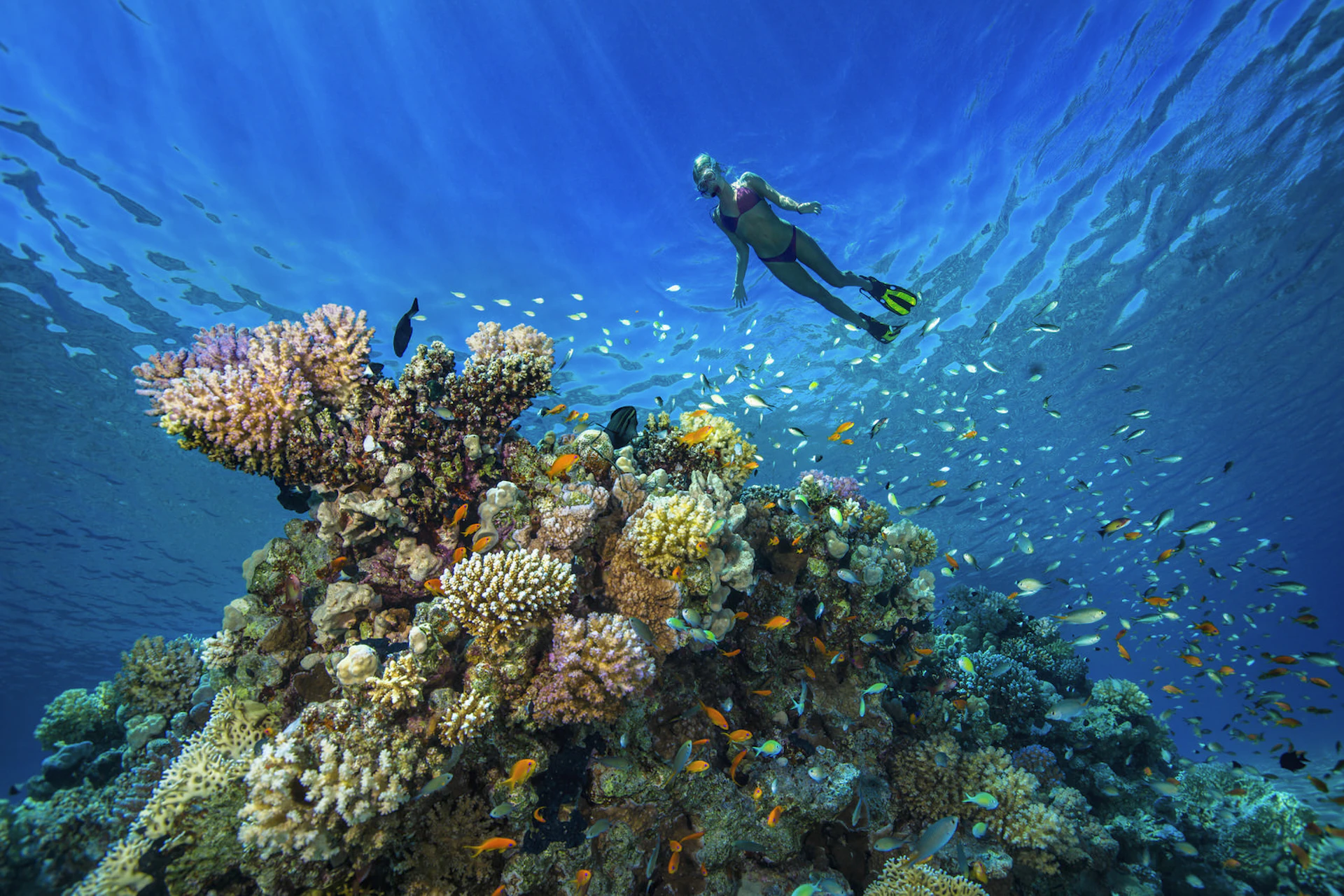
Yes, sharks inhabit the waters around Hurghada, including reef sharks, hammerheads, and occasionally oceanic whitetips. Encounters during recreational snorkeling and diving are rare, and verified attacks on humans in Hurghada waters number fewer than five incidents in the past two decades. The Red Sea's reef ecosystems support diverse marine life, and sharks here typically avoid shallow, high-traffic zones where most water activities occur.
The Red Sea holds one of the planet's highest concentrations of endemic marine species, and its shark population reflects that biodiversity. Reef sharks—mainly blacktip and whitetip varieties—patrol the outer drop-offs and deeper channels where the continental shelf meets open water. Hammerhead schools appear seasonally along the northern reefs. Oceanic whitetips, once common in these latitudes, now surface infrequently due to decades of commercial fishing pressure across the basin. Hurghada's coastline stretches more than forty kilometers, and the vast majority of snorkeling and diving happens within protected shallow reefs two to six meters deep. These zones see constant boat traffic, which naturally deters larger pelagic species. Shore-entry beaches and lagoon areas remain effectively shark-free environments. The species you're statistically most likely to encounter—small reef sharks and the occasional guitar shark—show no interest in humans and typically retreat when approached. Safety protocols in Hurghada's marine parks have tightened considerably since 2010. Dive operators now observe mandatory distance rules for shark encounters, and coastal patrols monitor feeding behavior and migration patterns in real time. The broader question of whether sharks exist here misses the practical reality: the Red Sea ecosystem depends on apex predators to maintain reef health, and their presence signals a thriving underwater environment rather than a meaningful risk to visitors. Public waters remain free to access year-round, though most snorkeling excursions depart from private marinas that enforce seasonal activity windows and group-size limits. Understanding shark behavior matters more than fearing their presence. Most species feed at dawn and dusk when visibility drops and prey fish school near the surface. Midday hours between 10:00 and 15:00 offer the lowest likelihood of any encounter, as sharks retreat to cooler depths and human activity peaks. Wearing neutral-colored equipment, avoiding splashing, and snorkeling in groups further reduce the already minimal chance of an interaction. The Egyptian Environmental Affairs Agency has recorded no fatal shark incidents in Hurghada municipal waters since 2015, a span covering millions of individual water-sport sessions.
“The Red Sea ecosystem depends on apex predators to maintain reef health, and their presence signals a thriving underwater environment rather than a meaningful risk to visitors.”
The Red Sea is a vast marine ecosystem that serves as a natural habitat for various shark species, which often leads to misunderstandings regarding swimmer safety. While these animals inhabit the sea, sightings in shallow snorkeling zones are extremely rare.
MythSharks are commonly found in shallow snorkeling areas.
FactThe Red Sea is a natural shark habitat, but these species typically remain in deeper offshore waters and rarely enter the shallow areas frequented by snorkelers.
MythAll shark species in the Red Sea are dangerous to humans.
FactMost sharks encountered in this region are non-aggressive species that pose little to no threat to snorkelers or divers.
MythYou will likely encounter a shark during your trip.
FactShark encounters are statistically very rare as these animals generally avoid areas with high human activity and boat traffic.
The best arrival window for snorkeling in Hurghada is 06:00–10:00. This period offers the clearest water visibility and milder temperatures, which also aligns with periods of lower general marine activity.
—
Ideal for calm waters and early access to reefs.
Warm, 24°C to 28°C
Spring provides stable conditions before peak summer heat.
Pleasant, 25°C to 29°C
Autumn features cooling water temperatures and high visibility.
Verdict: The best time to visit is during the early arrival window of 06:00–10:00, particularly in the months of April, May, October, or November.
Responsible behavior in Hurghada's waters protects both marine life and swimmers. Following local safety protocols reduces risk and preserves the reef ecosystem.
Access to public waters in Hurghada is free of charge. Costs for snorkeling activities only apply when utilizing private beach facilities or booking organized excursions.
Verdict: A typical adult pays 0 EGP for public water access, with total costs depending solely on the choice of private beach entry or guided boat trips.
Public coastal access in Hurghada is available daily throughout the week. Visitors may access the water at any time, though specific beaches and managed facilities may regulate their own entry schedules.
Everything you need to know about are there sharks in hurghada
While the Red Sea is home to various marine life, sharks in Hurghada are not commonly encountered by recreational snorkelers or swimmers. Sightings remain rare near the coastline and tourist zones.
The Red Sea is generally safe for swimming and water sports. Local authorities maintain rigorous monitoring to ensure visitors enjoy the marine environment without incident.
Most excursion operators focus on shallow coral reefs where sharks in Hurghada are rarely seen. These professional guides prioritize swimmer safety and monitor local water conditions daily.
To ensure the best visibility and conditions, the best arrival window is 06:00–10:00. These hours provide clear water for exploring the vibrant reef ecosystems safely.
Always swim within designated areas and follow the guidance of your boat captain or beach lifeguard. Awareness of your surroundings is the best practice whenever you wonder if there are sharks in Hurghada during your trip.
Most public and private shorelines have no shark activity. Public waters are open for enjoyment, provided you adhere to local safety protocols and swim during recommended hours.
Our site provides connections to reputable local operators for those seeking guided snorkeling excursions. You can explore available tours via our booking links to plan your trip to the Red Sea.
Snorkeling Hurghada Prices
Read more GuideBest Time for Snorkeling in Hurghada
Read more GuideSwimming with Dolphins in Hurghada
Read more GuideIs it Safe to Swim in Hurghada?
Read more Tickets & toursPrivate Snorkeling Trips in Hurghada
Read more Tickets & toursTop Snorkeling Spots in Hurghada
Read more